
Exporting medicines and APIs from China to Iran

How finished medicines and active ingredients from China enter Iran: the IFDA route, the documents, the facts that shape a project, and who does what.

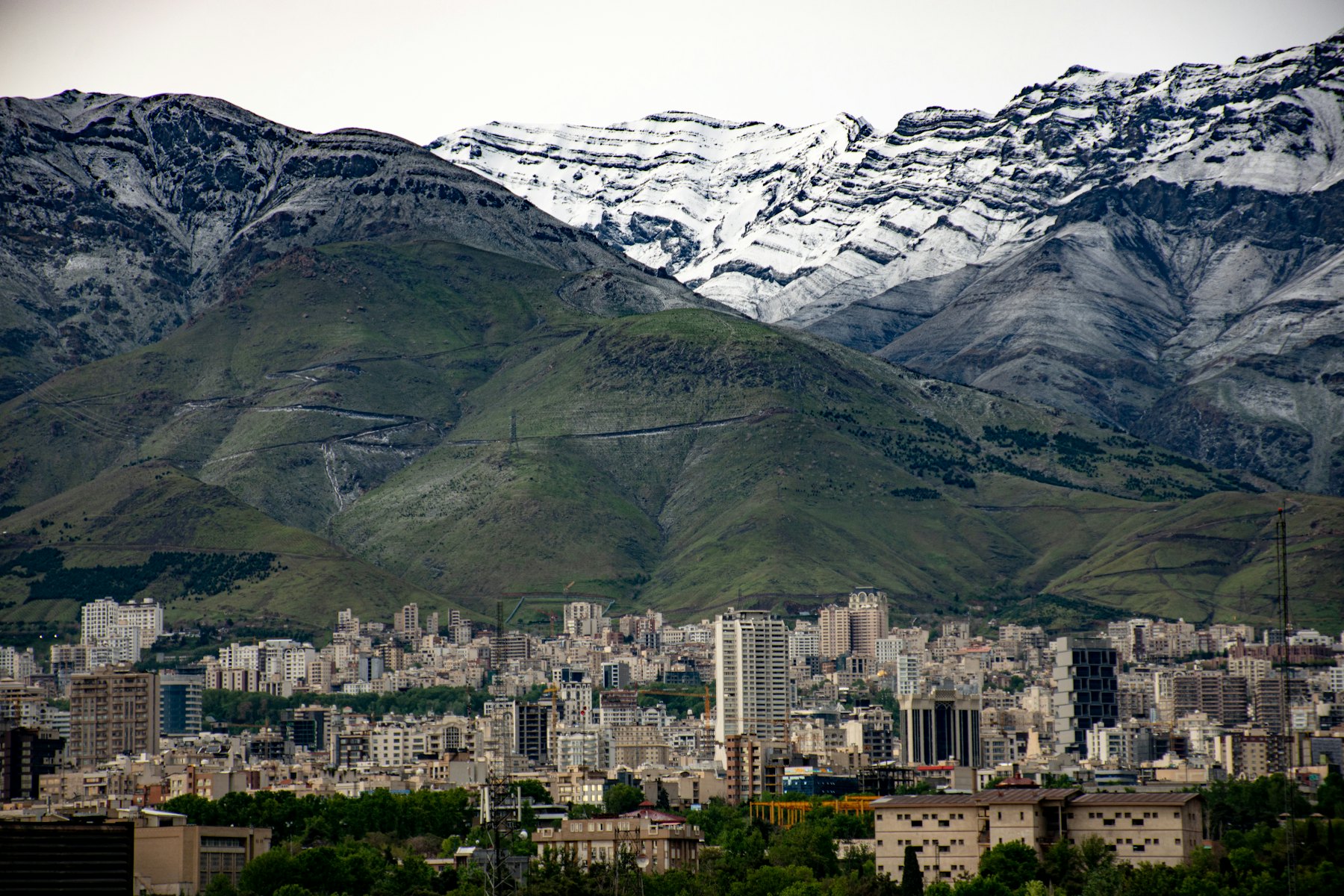
Tehran beneath the snow-covered Alborz mountains

Guide for Chinese manufacturers · Quick answer

A Chinese pharmaceutical manufacturer cannot sell medicines or APIs in Iran directly. Products enter through an importer licensed by the Iran Food and Drug Administration (IFDA), which registers the product in Iran (an IRC code), imports it, and remains responsible for it on the market. Hanpars (Haniya Parsan Darou Co., Tehran) is such an importer and registration holder, with offices in Hangzhou and Zhenjiang that work with Chinese manufacturers in Chinese.

How medicines and APIs from China reach Iran

Iran is a market of about 90 million people with a large domestic pharmaceutical industry and a regulator, the IFDA, that reviews every imported medicine and active ingredient before it can be sold. The country manufactures most of the medicines it uses, so imports concentrate on hospital and specialty products, shortages, and the APIs its own factories need.

For a Chinese company the practical question is therefore not "how do we register in Iran" but "which Iranian partner registers and imports our product, and what do we have to provide". This page sets out the two routes, the documents and the facts that shape the project.

Two routes, two kinds of partner

Finished medicines (FDF)

The product is registered with IFDA in the name of an Iranian licence holder under your authorisation, then imported and distributed by it. If local manufacturing is favoured for your product, the same partner can arrange licensed production on the lines of an Iranian GMP plant.

  1. Letter of authorisation (LoA) to the Iranian applicant
  2. CTD dossier, GMP certificate and CPP adapted to IFDA requirements
  3. IFDA review, IRC code and price approval
  4. Import licence, shipment, customs release, distribution through the main distributors
  5. Pharmacovigilance, variations and renewals after launch

Active pharmaceutical ingredients (API)

APIs are bought by Iranian manufacturers, or by importers who supply them. The API and its manufacturing site are registered with IFDA (an IRC for the API) before import; your DMF or CEP, GMP evidence and batch documentation carry the file.

  1. Supplier qualification by the Iranian buyer: DMF/CEP, GMP certificate, site questionnaire
  2. API registration with IFDA linked to your site
  3. Samples and pre-shipment documentation (CoA, stability, TSE/BSE where relevant)
  4. Import licence, foreign-currency allocation and shipment
  5. Ongoing change notification for site or process changes

What you will be asked for

Files that already follow the NMPA / ICH CTD format need adaptation rather than rewriting.

Finished medicines

  • CTD modules 1–5 (module 3 in full)
  • Valid GMP certificate for the manufacturing site
  • Certificate of pharmaceutical product (CPP) or free-sale certificate
  • Stability data for the intended climatic zone
  • Certificates of analysis, reference standards, samples
  • Artwork for Persian labelling and leaflet
  • Letter of authorisation naming the Iranian applicant

APIs

  • DMF (open part) or CEP
  • GMP certificate or inspection evidence for the site
  • Specifications and analytical methods
  • Batch certificates of analysis and stability summary
  • Impurity, residual-solvent and elemental-impurity data
  • TSE/BSE and nitrosamine statements where applicable
  • Supplier questionnaire and change-control commitment

Facts that shape the project

The regulator decides the timeline

Review times depend on the product category, the dossier and the IFDA queue; serious partners give dated, written estimates and update them, not fixed promises.

Imports need licences and currency

Each import requires an import licence and a foreign-currency allocation; forecasts and documents must be ready before the order, not after.

Local production is preferred

For many products the long-term route is licensed manufacturing in an Iranian plant, with the Chinese company keeping brand, formulation and quality standard.

Recognised certificates help

NMPA has been an ICH member since 2017 and a PIC/S applicant since 2023; EU-GMP, WHO PQ or CEP evidence makes the Iranian review smoother.

Shortage lists open doors

IFDA publishes medicines in short supply; products on these lists can be imported urgently, often before a full registration is completed.

Distribution is concentrated

A few national distributors reach hospitals and pharmacies; the importer’s distributor contracts matter as much as the registration.

Common mistakes we see

  • Quoting a price before the regulatory route and currency allocation are understood
  • Sending a dossier without a valid GMP certificate or with stability data for the wrong zone
  • Signing an exclusive authorisation without defining scope, term and reporting
  • Assuming the Iranian partner can promise a registration date
  • Shipping samples without the import permit needed for samples

What Hanpars does in this process

  • Acts as IFDA-licensed importer and registration holder (the IRC is obtained in our name under your authorisation)
  • Prepares and submits the dossier with our own regulatory team; answers IFDA questions
  • Arranges import licences, currency allocation, shipment, customs and distribution
  • Coordinates licensed manufacturing in Iranian GMP plants where that is the better route
  • Works with you in Chinese from Hangzhou and Zhenjiang, with written responsibilities from the first meeting

Questions Chinese exporters ask

Can a Chinese company register a medicine in Iran in its own name?

No. Registration and import are done by an Iranian licence holder appointed by the manufacturer through a letter of authorisation. The product, brand and know-how stay with the manufacturer.

Is an NMPA approval enough for Iran?

It is the starting point. IFDA reviews the dossier itself; a current GMP certificate, a CPP and stability data for Iran’s climatic conditions are needed in addition.

How long does registration take?

It varies by product category and the regulator’s workload. A written estimate is given after the assessment and updated as the file progresses; nobody can promise a fixed date.

Do APIs need registration too?

Yes. The API and its manufacturing site are registered with IFDA before import, on the basis of the DMF or CEP and GMP evidence.

Who pays for registration and samples?

This is agreed in the authorisation and supply agreements; there is no single rule. The assessment sets out the options before any commitment.

What about payment and sanctions?

Payment routes and currency allocation are handled on the Iranian side under the import licence; the terms are agreed per contract. This page does not give legal or financial advice; the assessment covers the practical arrangements.

Can we visit Iran, and can you visit our plant?

Yes. Hanpars reviews manufacturing sites and documentation before committing, and manufacturers are welcome to audit Hanpars and its distributors.

Send the product (or API), its approval status and your target for Iran; we reply with the route and the next step.

Ask for a confidential assessment